

June 17, 2025 –MVM
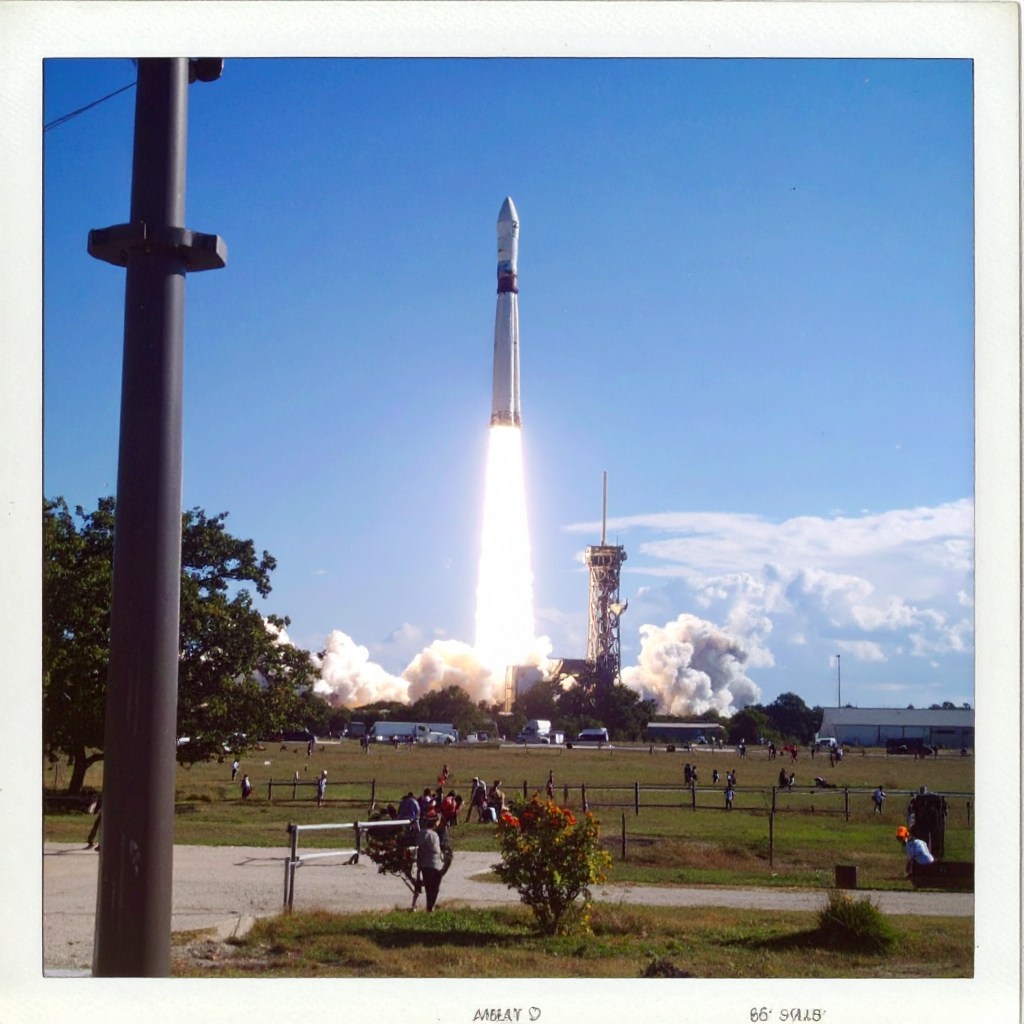
If you’ve ever watched Oppenheimer or Apollo 13, you’ve seen glimpses of a generation of engineers that laid down the foundation for the world we live in. They didn’t have CAD, didn’t have cloud storage, and definitely didn’t have ChatGPT.
Yet somehow, they built rockets that landed on the moon, bridges that still stand today, and water systems that continue to serve cities 60+ years later. As new engineers in the modern world, we benefit from decades of lessons, standards, and grit that came before us.
Let’s take a moment to appreciate how far we’ve come — and why respecting the engineers of the past isn’t just about being polite. It’s about becoming better engineers ourselves.
1. Engineering Standards: From Slide Rules to Software
Back in the 1960s, engineers worked with drafting boards and slide rules. Calculations were done by hand, and mistakes weren’t easily erased or undone. That kind of precision demanded a deep understanding of the math and physics behind the design. Today, we have structural analysis software, 3D modeling, and code libraries that can automate entire
workflows — but the baseline we build on still comes from the ASCE, ASTM, ACI, and other standards bodies developed decades ago.
In The Martian, Mark Watney uses old-school engineering knowledge to survive on Mars, not high-tech tools. Why? Because principles don’t change. As young engineers, we inherit not only these standards but also a responsibility to respect and understand where they came from.
2. Construction Practices: Manual Grit to Mechanized Precision
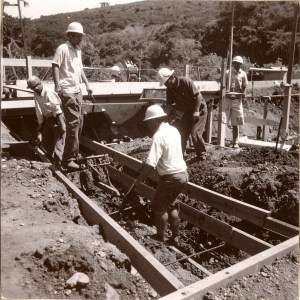
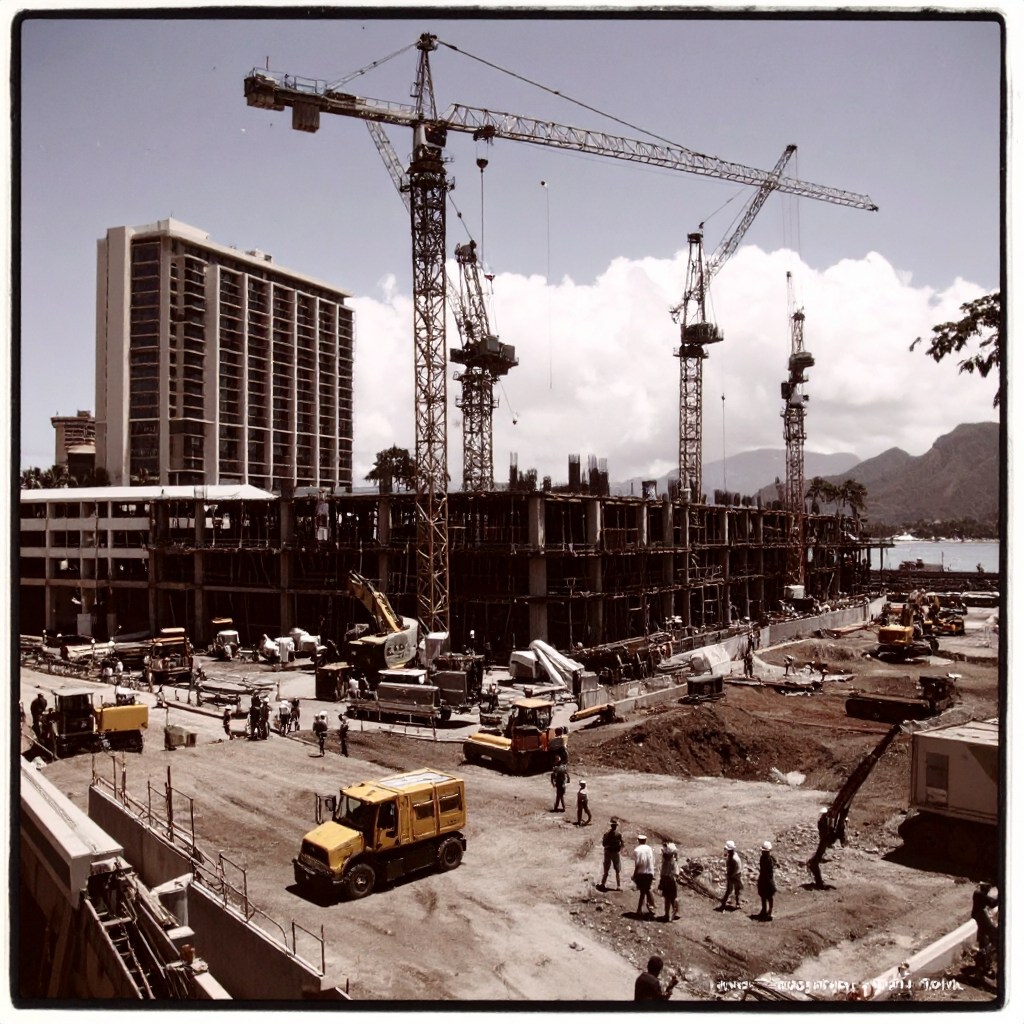
In the 1960s, construction sites were all muscle and manual tools. Safety standards were loose, equipment was loud and dangerous, and coordination relied on walkie-talkies and site supervisors with clipboards. Fast forward to today: we have laser scanning, BIM coordination, drones for surveying, and prefabricated components that snap into place.
Still, much of the civil infrastructure built in the 60s — highways, sewers, bridges — is still in use today. Think about that. No 3D modeling. No real-time site monitoring. Just solid workmanship, sweat equity, and discipline. Respecting construction standards from back then isn’t nostalgia — it’s benchmarking the endurance of quality work.
3. One Innovation: Geographic Information Systems (GIS)

One tool we now have that engineers in the 60s could only dream of is GIS (Geographic Information Systems). With GIS, we can visualize underground utilities, topographic changes, hydrology networks, and zoning overlays all on one map. Planning a sewer line? You can identify easements, slope conflicts, and property ownership with a few clicks.
Compare that to the 60s, where engineers often worked with incomplete blueprints, handwritten records, and a prayer. The innovation we enjoy today doesn’t replace their ingenuity — it amplifies it. Iron Man had Jarvis. We have GIS.
Final Thoughts

Every time you inspect a manhole, revise a grading plan, or approve a structural detail, you’re participating in a legacy. The engineers of the past gave us the tools and wisdom to innovate — and we honor them best by building with precision, respect, and vision. As Interstellar puts it:
“Its Not Possible. It is Necessary”. Continue to build something worth leaving.
 MVM - Hawaii
Leave a comment