

6/24/2025 – MVM
Whether you’re fresh out of College or a few years into your career on Maui, Oʻahu, Kauaʻi, or the Big Island — one thing becomes clear fast: engineering hits different depending on where you’re standing. Field work and office work both demand technical skill and attention to detail. The way the day unfold — and what you’re up against — couldn’t be more different.
After spending time in both settings, here are a few real-life lessons that I think that every engineer should know as they bounce between AutoCAD layouts and muddy steel toes.

1. Stay Hydrated
When you’re walking the site in Lāhainā heat or checking sewer laterals out in ʻEwa, your brain isn’t just working on calculations — it’s also baking under the sun. Using your head in the heat drains your body fast.
I came across this Heavy Duty 1-Gallon Water Jug(49.99USD) on Amazon a while back. This is a more updated model that came with way more accessories than mine did. I still have the model I bought from back in 2023, so it definitely can last.
Whether you’re verifying elevation shots or discussing tie-ins with a contractor, you’ll need water. The combo of humidity, sun, and mental effort can sneak up on you — and dehydration will ruin your day before lunch break hits. Your energy, patience, and clarity all depend on how much water you’re packing.
2. Talk Less, Listen More
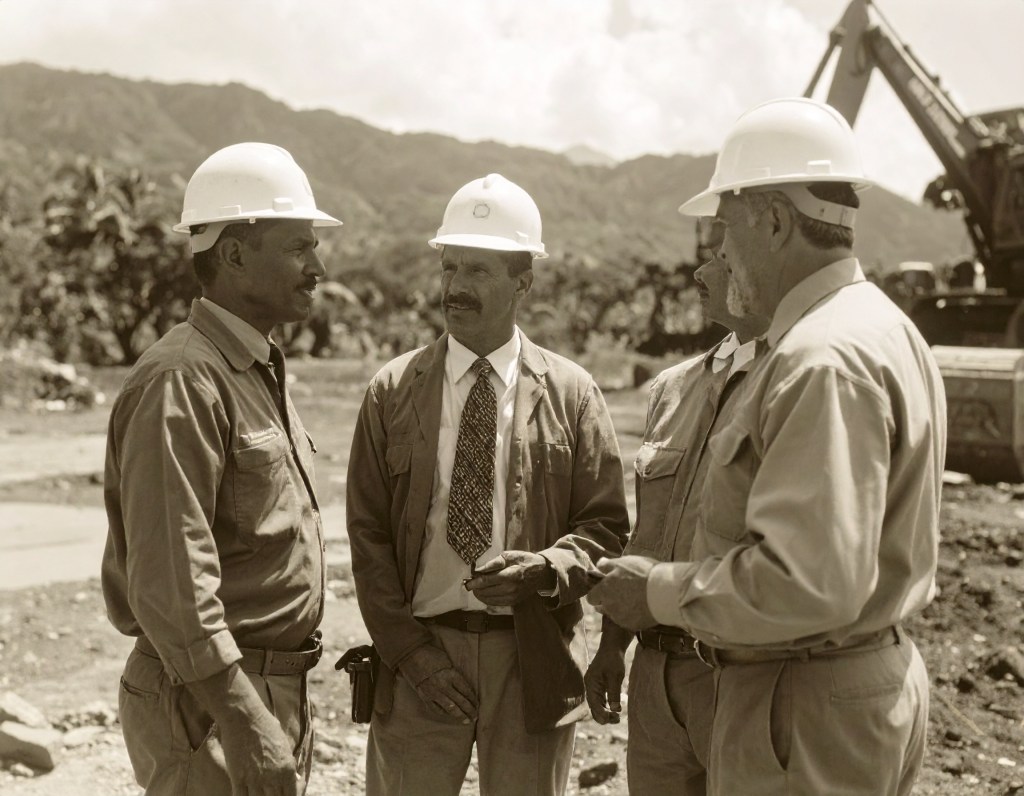
Field work means dealing with tight-knit crews, multi-generational foremen, and contractors who know the land and layout better than any plan sheet. You’ve got inspectors, supervisors, utility reps — and yes, sometimes an aunty or uncle walking by with questions.
I keep a Moleskine notebook on me at all times during field visits. It’s durable, pocket-friendly, and great for sketching quick layouts or jotting down contractor notes on the fly. Plus, it looks adds value to your notes than scribbling on the back of a folded plan sheet.
The way you communicate matters. Keep your tone professional and respectful. Know when to speak up. Observe movement and techniques utilized & listen carefully. Ask questions with intent. Summarize key info to confirm understanding. When it’s your turn to talk, be clear and to the point. In the office, you can refine an email — in the field, you’ve got one shot before they start trenching.

3. Keep an open mind about plans
Let’s be real: when you’re doing field work on a job that spans multiple days — maybe inspecting a sewer force main in Hilo or tracking drainage installs in Kīhei — the site earns your attention. Weather shifts fast. Equipment breaks. And some things just take longer than expected.
When the day wraps up, take the time to reset and reflect. Stretch, rub some ointment on those knees, down a li-hing smoothie, and throw on a movie. Give yourself space to breathe — this work is demanding.
Final Thoughts
Whether you’re answering RFIs in the office or evaporating under the sun on the West Side, both environments build different parts of your engineering toolbox. Field work humbles you. Office work sharpens your mind. Value both. Learn from both. And above all — pack water, pack an open mind, and always bring your best attitude to the jobsite.
 MVM - Hawaii
Leave a comment